Data plays an important role in the development of organizations, enterprises, and nations. In the context of the Fourth Industrial Revolution and the ongoing strong digital transformation, data has become an invaluable resource.
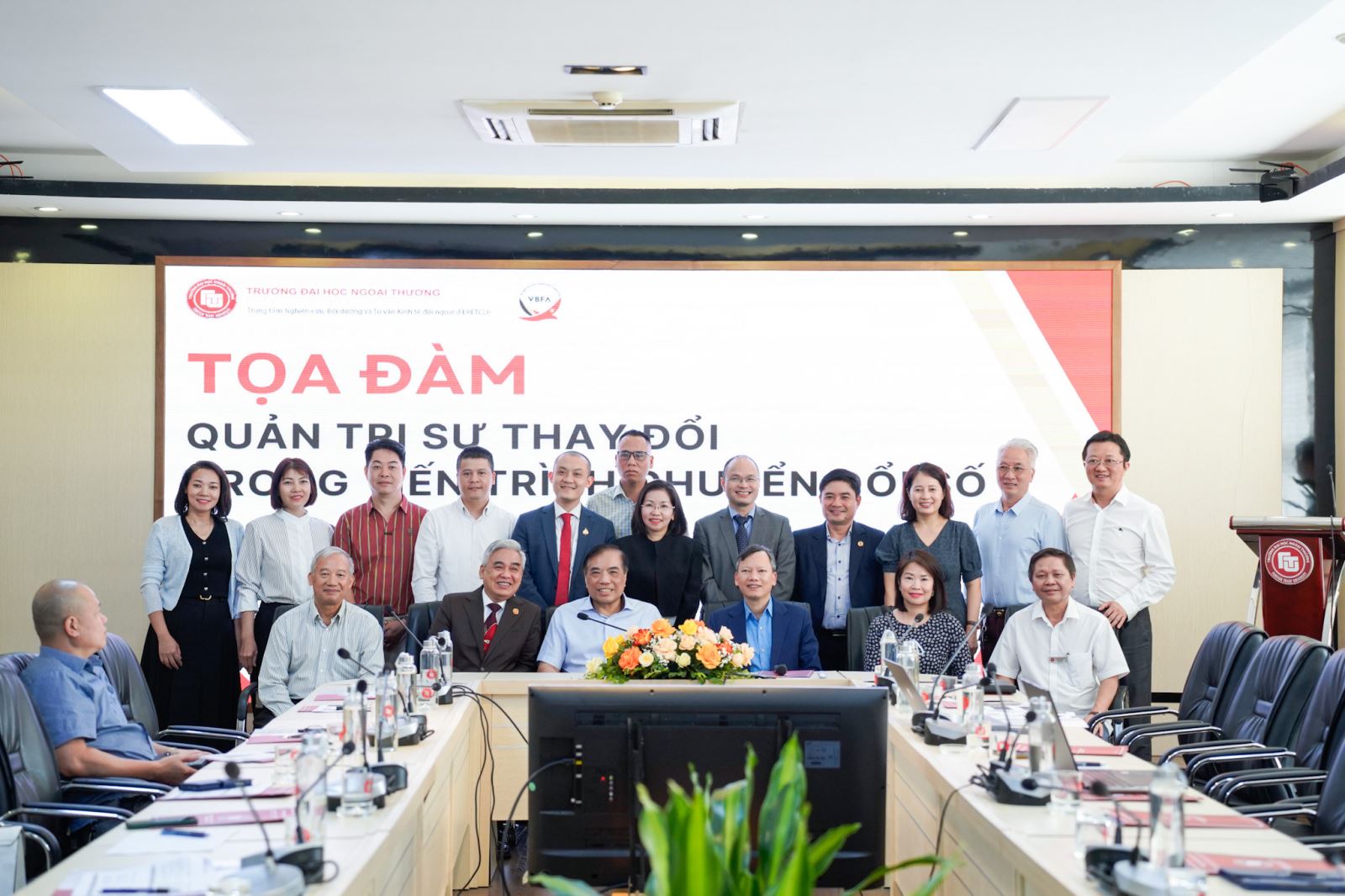
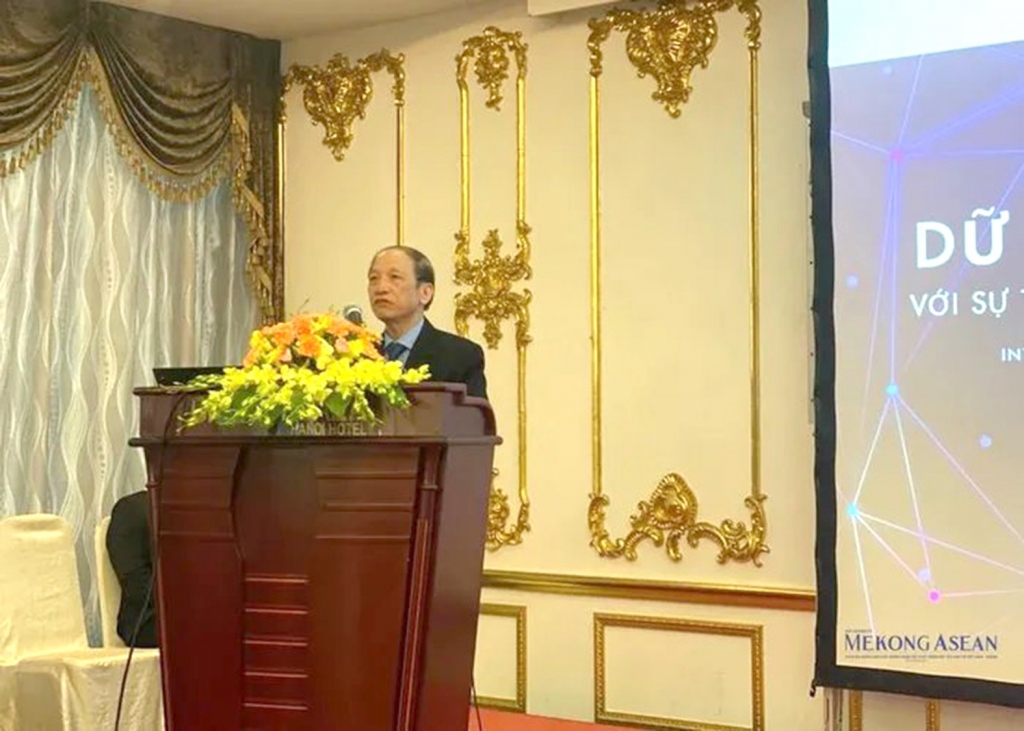
Recognizing the importance of this issue, on the morning of June 20 in Hanoi, the VASEAN Association, Japan’s Uzabase Inc. Group, and Delta Management and Technology Consulting Company co-organized a data workshop titled ‘Smart Data Driving Breakthrough Growth for Organizations in the Digital Era.’
Smart data – an important resource for the development of Industry 4.0
Digital transformation is becoming an inevitable trend, spreading across all aspects of economic and social life, attracting the attention of all stakeholders in national economies. A key factor determining the success or failure of the digital transformation process is data. Serving as the “energy source” of digital transformation, data can become a new resource for global economic development.
The workshop was organized with the aim of helping enterprises, research institutions, and management organizations gain a better understanding of data—especially smart data—the important role of data in the digital era for organizational development strategies, as well as the management and exploitation of smart data. It also aimed to explore trends in the use of smart data in the digital era for strategic planning and decision-making, and to learn from the experience of advanced countries in utilizing smart data.
In simple terms, data is a collection of information; smart data refers to information that is generated, stored, transmitted, or received through electronic means. For organizations, as the volume of data continues to grow, processing data in the form of smart data is an inevitable trend. According to Gartner (USA), major organizations around the world have already recognized the importance of smart data. Smart data is a resource that must be explored, managed, and used effectively, making an important contribution to the development of Industry 4.0.
Smart data management refers to the process of collecting, managing, exploiting, and using data intelligently based on technologies of the Fourth Industrial Revolution. It facilitates data analysis and post-analysis processing, specifically involving the construction, organization, maintenance, and control of systems and data processing workflows such as data collection, storage, selection, transformation, analysis, and monitoring throughout the data lifecycle—from defining business objectives to data visualization and applying analytical results in practice. Smart data management can provide organizations with optimal solutions tailored to the needs of each customer.
Smart data and organizational growth: Trends and experiences from Japan and Singapore
At the workshop, Yasunori Naito, Chief Executive Officer of Uzabase Asia Pacific Pte Ltd and Executive Committee Member of Uzabase Inc. Japan, and Shafarudin Sariman, Southeast Asia Market Director at Uzabase Asia Pacific Pte Ltd, discussed the era of data and lessons learned from Japan and Singapore—countries renowned for their technological advancements and data-driven approaches. The speakers shared insights and highlighted how Japanese and Singaporean companies leverage data to drive innovation and maintain competitive advantages. The challenges and successes experienced by businesses in Japan and Singapore were also analyzed, providing practical lessons that can be applied. The speakers further examined how the Japanese government has supported data utilization, creating a favorable ecosystem for digital transformation and growth.
Singapore is regarded as one of the world’s smartest countries, having effectively leveraged technology as a key driver of development. Robots replace humans in certain sectors, mobile applications are widely deployed, data systems are integrated, and smart monitoring is used to improve the quality of public services.
Since the end of 2014, the Singapore government has clearly recognized the importance of promoting a “Smart Nation” and has introduced action programs aimed at connecting citizens, businesses, and government agencies to encourage the development of smart data management solutions through technological advancements, thereby maximizing the value of data. Key initiatives include:
- Development of an electronic payment data platform: Singapore developed the unified mobile payment platform PayNow, which enables peer-to-peer transfers using only a mobile phone number or identity card number. The unified QR code system, known as Singapore Quick Response Code (SGQR), was implemented nationwide in 2020, allowing merchants to accept both domestic and international payments across multiple e-wallets.
- Development of a National Digital Identity (NDI) system: This is a unified database system storing citizen information, integrated with government systems to enable easy access and interaction among agencies, businesses, and citizens. The system is supported by the secure online portal SingPass and MyInfo—SingPass is used to access government e-services, while MyInfo is a citizen data management platform allowing users to provide personal information to the government only once. After that, the data can be reused when interacting with approved public or private entities.
- Development of AI education data systems: Recognizing the importance of key technologies in the Fourth Industrial Revolution, Singapore has implemented programs to educate the public about artificial intelligence, including free awareness initiatives on AI’s potential, such as “AI for Everyone” and “AI for Industry.
Using data in organizational strategic planning and decision-making
In the current context, effective strategic planning and intelligent decision-making are essential for organizations to develop in a data-driven economy. At the workshop, speaker Ngo Qui Nham, a consultant on Strategy and Human Resource Management and lecturer in the Department of Human Resource Management at the Foreign Trade University, shared insights on the important role of data in shaping the future of enterprises.
The speaker also analyzed methods and best practices for integrating data into the core of organizational strategies. By examining real-world examples, participants gained initial insights into how leading companies use data analytics to identify opportunities, mitigate risks, and optimize performance; they also learned about key tools needed to leverage data as a strategic asset to drive sustainable growth and competitive advantage.
The workshop brought together experts, policymakers, and guests. The discussion focused on comments and exchanges regarding the concept of smart data, its applications, and its transformative impact on regional economies and markets. The speakers also shared their perspectives on the opportunities and challenges associated with smart data, providing diverse viewpoints and practical insights.
Journal of Economics and Forecasting – Huong Vy